
Futuremark-rated Steam machines are specialized gaming PCs that use standardized 3DMark and PCMark benchmarks to measure performance. These SteamOS-powered systems provide console-like simplicity with PC gaming flexibility, offering verified performance scores for informed purchasing decisions. Popular examples include the Steam Deck handheld and custom SteamOS desktop builds that deliver reliable gaming experiences.
This comprehensive guide explores Futuremark benchmark ratings for Steam gaming systems and helps you choose optimized hardware that meets your performance expectations through verified testing data.
ExtremeSpec provides detailed specifications and performance comparisons, making it easier to find the right gaming PC that meets your performance expectations.
Whether you’re a budget-conscious consumer seeking a Steam Deck or a PC builder considering a custom SteamOS setup, our guide empowers informed purchasing decisions through comprehensive performance analysis.
What Are Steam Machines and How SteamOS Works
Steam machines are specialized gaming PCs that run SteamOS, Valve’s Linux-based operating system designed specifically for gaming. These systems work by combining PC hardware flexibility with console-style simplicity, allowing users to access their Steam library through a dedicated gaming interface. The Steam machine concept evolved from desktop systems in the mid-2010s to today’s successful Steam Deck handheld gaming device.
SteamOS operates through a streamlined interface that boots directly into gaming mode, eliminating Windows overhead and focusing entirely on game performance. The system uses Proton, a compatibility layer that enables Windows games to run on Linux, expanding the available game library significantly. This approach provides benefits including faster boot times, reduced system resource usage, and improved gaming stability compared to traditional Windows gaming setups.
Today’s Steam machines primarily include the Steam Deck portable gaming PC and custom desktop builds running SteamOS. The limitations include reduced compatibility with some Windows-exclusive software and a smaller selection of native Linux games, though Proton addresses many compatibility concerns effectively.
Key Components That Make Steam Machines Effective
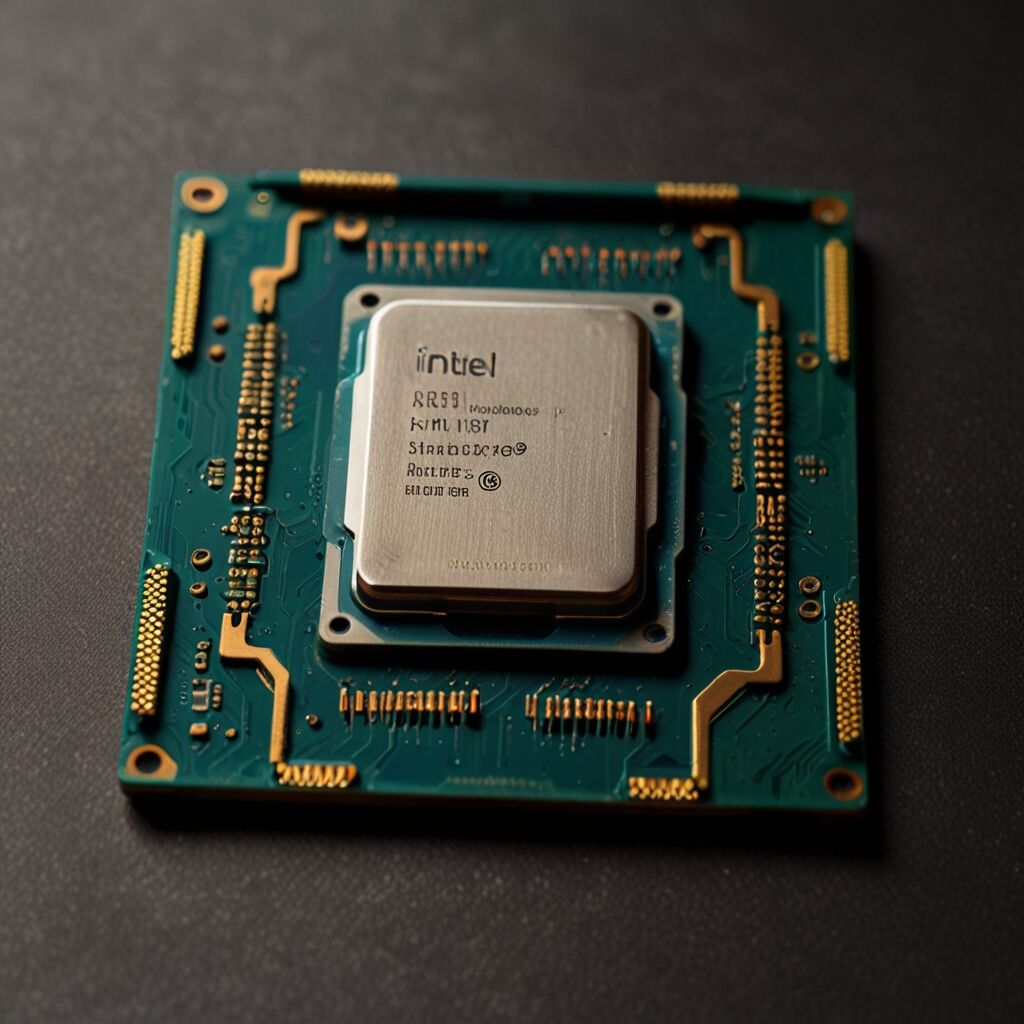
Steam machines require specific hardware components to deliver optimal gaming performance under SteamOS. Essential components include powerful CPUs for gaming applications from Intel or AMD, capable graphics cards from NVIDIA’s GeForce or AMD’s Radeon lineups, and fast SSD storage for quick game loading.
These hardware elements work together to provide smooth gameplay experiences, with SSD storage being particularly crucial for reducing loading times in modern games. The Steam Deck, for example, uses a custom AMD APU that combines CPU and GPU functions efficiently within power constraints, demonstrating how optimized hardware design enhances portable gaming performance.
Benefits and Limitations of Futuremark-Rated Gaming Systems
The primary benefits of Futuremark-rated Steam machines include verified performance transparency through standardized benchmarks, optimized gaming experiences via SteamOS, and reliable hardware specifications that eliminate guesswork when purchasing. These systems typically provide console-like simplicity while maintaining PC upgrade flexibility, making them ideal for users who want hassle-free gaming without sacrificing customization options.
Futuremark ratings help users understand exactly what performance to expect from their investment. Systems with higher 3DMark scores generally deliver better graphics performance, while PCMark scores indicate overall system responsiveness for multitasking and productivity tasks alongside gaming.
Key limitations include reduced software compatibility compared to Windows systems, dependence on Proton for running Windows games, and potentially higher costs for equivalent performance versus traditional gaming PCs. However, these drawbacks are often offset by improved system stability and the growing library of Linux-native games.
Who Should Consider Steam Machines and When
Steam machines work best for dedicated gamers who primarily use Steam and prefer streamlined gaming experiences. They’re particularly suitable for users who want console simplicity but desire access to PC gaming’s larger library and modding capabilities. The Steam Deck appeals specifically to portable gaming enthusiasts who need gaming on the go.
These systems are ideal when you already own a substantial Steam library, prefer Linux-based systems, or want a secondary gaming device for the living room or travel. Custom SteamOS builds make sense for tech enthusiasts who enjoy optimizing systems for streaming and want complete control over their gaming environment.
Understanding Futuremark Ratings and Their Importance
Futuremark ratings provide standardized performance measurements that help users compare gaming hardware objectively. The rating system works by running consistent benchmark tests across different systems, generating comparable scores that indicate real-world gaming capability. These benchmarks include 3DMark for graphics performance testing, PCMark for overall system performance evaluation, and VRMark for virtual reality capabilities.
The importance of Futuremark ratings lies in their ability to eliminate marketing claims and provide concrete performance data. When comparing Steam machines or any gaming system, these scores offer reliable indicators of how well hardware will perform in actual gaming scenarios, helping users make informed purchasing decisions based on verified data rather than manufacturer specifications alone.
Futuremark testing measures critical gaming performance factors including frame rates at various resolutions, graphics processing capabilities, and system responsiveness under gaming loads. Higher scores typically correlate with better gaming experiences, smoother frame rates, and the ability to run demanding games at higher settings.
How Futuremark Scores Translate to Gaming Performance
Futuremark benchmark scores directly relate to gaming performance expectations across different hardware configurations. Systems scoring above 10,000 in 3DMark Time Spy typically handle modern games at 1080p with high settings, while scores above 15,000 generally support 1440p gaming with good frame rates.
These performance metrics help users understand whether specific Steam machines or hardware combinations meet their gaming requirements. For example, the Steam Deck’s optimized hardware delivers excellent performance for its resolution and power constraints, achieving scores that correlate with smooth gameplay at its native 800p display resolution.
Understanding score ranges enables better hardware selection for specific gaming goals, whether targeting 60fps gaming, 4K resolution support, or virtual reality compatibility. This knowledge proves essential when evaluating Steam machines or planning custom SteamOS builds.
Typical Performance Ranges for Steam Gaming Systems
- **Entry-level Steam Machines:** 3DMark scores ranging from 3,000-6,000, suitable for 1080p gaming at medium settings
- **Mid-range Systems:** Scores between 6,000-12,000, enabling 1080p high settings or 1440p medium settings gaming
- **High-end Configurations:** Scores above 12,000, supporting 1440p high settings or 4K gaming capabilities
- **Steam Deck Performance:** Approximately 4,000-5,000 range, optimized for 720p-800p gaming at medium to high settings
- **Custom SteamOS Builds:** Varies widely based on components, potentially reaching 20,000+ for enthusiast builds
- **VR-Ready Systems:** VRMark scores above 5,000 typically indicate good virtual reality gaming compatibility
Comparing Top-Performing Steam Gaming Hardware
Current Steam gaming hardware ranges from Valve’s Steam Deck to custom desktop builds optimized for SteamOS. The Steam Deck represents the most popular Futuremark-rated Steam machine, offering verified performance scores that demonstrate its capability for portable gaming. Custom SteamOS desktop builds allow for higher performance configurations using components from manufacturers like AMD, Intel, and NVIDIA.
Performance comparisons reveal significant differences across hardware tiers. The Steam Deck achieves impressive efficiency within its power constraints, while custom builds can exceed traditional gaming PC performance when properly configured. Third-party handhelds and upcoming “Powered by SteamOS” devices from manufacturers like Lenovo expand the available options for different use cases and budgets.
Analysis of these systems helps users understand which hardware configurations deliver the best value for specific gaming requirements. Whether prioritizing portability, raw performance, or cost-effectiveness, different Steam machine approaches serve various user needs effectively.
Hardware Recommendations for Different Steam Gaming Scenarios
For portable gaming, the Steam Deck remains the leading choice, offering excellent processing capabilities in a handheld form factor. Its custom AMD APU delivers consistent performance for most Steam games while maintaining reasonable battery life for gaming sessions lasting several hours.
Desktop SteamOS builds benefit from more powerful hardware combinations, including discrete graphics cards and higher-performance CPUs. These systems can achieve Futuremark scores significantly higher than portable options, enabling 1440p or 4K gaming depending on component selection and budget allocation.
Custom builds typically cost between $800-2500 depending on performance targets, while the Steam Deck provides excellent value starting around $400. Understanding these options helps users choose appropriate hardware for their specific gaming needs and budget constraints.

Cost Analysis and Value Considerations
Steam machine costs vary significantly based on hardware configuration and form factor choices. The Steam Deck offers exceptional value starting at approximately $400 for the base model, providing verified Futuremark performance that competes favorably with more expensive alternatives. Custom SteamOS desktop builds typically range from $600-2500, depending on target performance levels and component selection.
When evaluating costs, consider the total ownership experience including software compatibility, maintenance requirements, and upgrade potential. Steam machines often provide better long-term value through reduced software licensing costs, improved system stability, and lower maintenance overhead compared to traditional Windows gaming setups.
Performance per dollar analysis reveals that Steam machines frequently deliver competitive gaming capability at lower total costs. This value proposition becomes particularly attractive for users who primarily game through Steam and don’t require Windows-specific software for other tasks.
Budget Planning for Different Steam Machine Categories
Budget allocation depends on intended use cases and performance expectations. Entry-level options like the base Steam Deck provide excellent portable gaming value, while mid-range custom builds ($1000-1500) offer desktop gaming performance suitable for 1440p gaming at high settings.
High-end configurations ($1500-2500+) enable 4K gaming and future-proofing for upcoming demanding titles. These systems often include premium components that provide enhanced performance for creative work alongside gaming capabilities, adding versatility to the investment.
Consider ongoing costs including storage expansion, accessories, and potential hardware upgrades when planning your Steam machine budget. Many users find that starting with a solid foundation and upgrading incrementally provides better value than purchasing the highest-end configuration initially.

Maintenance and Optimization Best Practices
Maintaining optimal Steam machine performance requires regular system updates including SteamOS releases and Proton compatibility improvements. These updates frequently enhance game compatibility and system stability, making them essential for maintaining peak gaming performance. Regular cleaning prevents dust accumulation that can impact cooling efficiency and system longevity.
For desktop SteamOS builds, proper cable management and adequate cooling ensure consistent performance during extended gaming sessions. Monitor system temperatures and adjust fan curves as needed to maintain optimal operating conditions. Storage management becomes important as game libraries grow, requiring periodic cleanup and potential storage expansion.
Performance optimization includes adjusting game settings appropriately for your hardware capabilities and keeping drivers updated for best compatibility. Understanding your system’s Futuremark scores helps establish realistic performance expectations and guides setting adjustments for optimal gaming experiences.
Troubleshooting Common Steam Machine Issues
Common Steam machine problems include game compatibility issues, audio configuration challenges, and occasional display problems. Most compatibility issues resolve through Proton updates or community-developed fixes available through ProtonDB, a community database that tracks game compatibility and optimal settings.
Audio problems often stem from incorrect output device selection or driver issues, typically resolved through SteamOS audio settings or system-level configuration adjustments. Display issues may require proper thermal management or graphics driver updates, depending on the specific hardware configuration.
The Steam community provides extensive troubleshooting resources and guides for resolving common issues. Engaging with community forums and following established troubleshooting procedures typically resolves most problems efficiently without requiring technical expertise.
Popular Steam Machine Use Cases and Scenarios
- **Portable Gaming:** Steam Deck excels for gaming during travel, commuting, or away from primary gaming setups
- **Living Room Gaming:** Custom SteamOS builds provide console-like experiences for family gaming and entertainment
- **Secondary Gaming System:** Many users employ Steam machines as backup systems or dedicated multiplayer gaming devices
- **Linux Gaming Advocacy:** Tech enthusiasts use Steam machines to explore Linux gaming capabilities and support open-source gaming
- **Retro Gaming:** SteamOS compatibility with emulation software makes Steam machines excellent retro gaming platforms
- **Streaming and Content Creation:** Higher-end configurations support game streaming and content creation workflows effectively
- **Educational Projects:** Students and developers use Steam machines for learning Linux system administration and game development

Community Experiences and User Testimonials
Steam machine users consistently highlight the streamlined gaming experience and improved system stability compared to traditional Windows gaming setups. Many users report that SteamOS eliminates common Windows gaming frustrations including driver conflicts, background software interference, and system bloat that can impact gaming performance.
Community feedback emphasizes the value of Futuremark ratings for setting realistic performance expectations. Users appreciate having concrete benchmark scores that accurately predict gaming capability, eliminating uncertainty about whether specific games will run smoothly on their hardware configuration.
Long-term users frequently mention the growing game compatibility through Proton improvements and the active community support available for troubleshooting and optimization. These factors contribute to positive ownership experiences and strong community loyalty among Steam machine enthusiasts.
Most Appreciated Features According to Users
Users consistently praise the instant-on gaming experience that SteamOS provides, with systems booting directly into gaming mode without Windows startup delays. The Steam Deck’s suspend/resume functionality receives particular acclaim for enabling console-like gaming convenience in a portable form factor.
The growing compatibility with Windows games through Proton earns frequent user praise, with many reporting successful gameplay for previously Windows-exclusive titles. Performance consistency represents another highly valued feature, with users noting that SteamOS systems maintain stable frame rates and avoid the performance variability common in Windows gaming environments.
Community customization options and the open-source nature of SteamOS attract technically inclined users who appreciate the ability to modify and optimize their gaming systems extensively. This flexibility, combined with strong community support, creates a positive user ecosystem that continues growing as Steam machine adoption increases.